
I redesign how your work gets done, then build the automation to run it.
Nearly thirty years running technology and operations, including nine at AWS and eleven at Bloomberg. I bring that discipline to clients of every size, from individuals to corporations: fix the process first, then automate it with custom tools and AI.
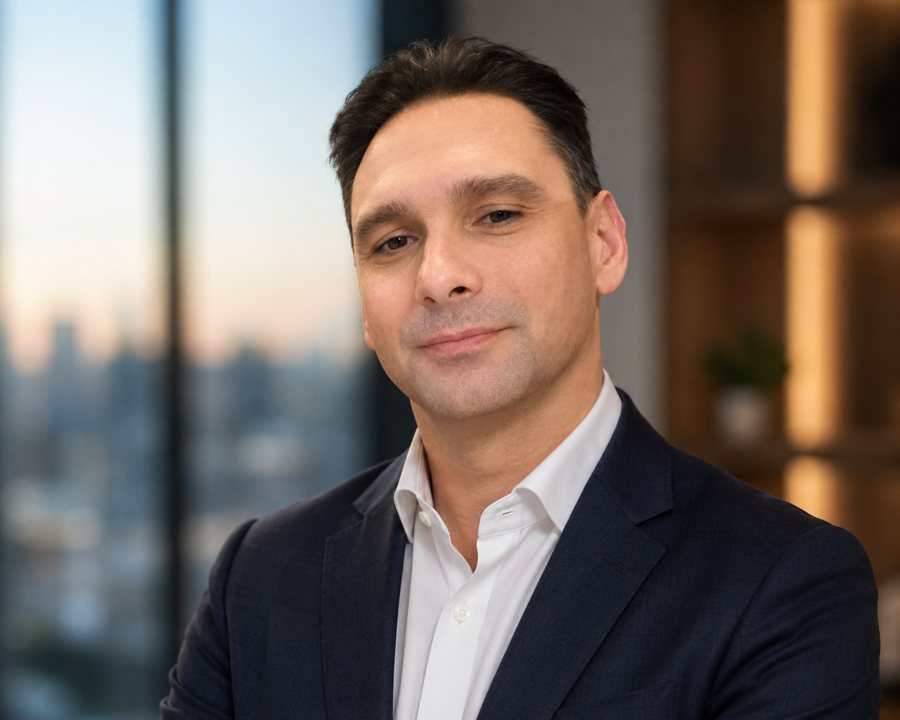
Tom Aimone, founder. Plainfield, NJ; working remotely with clients everywhere.
Process first. Then automation.
Automating a broken process just makes the mess faster. Every engagement starts with how the work actually moves today.
Map
I watch how the work really happens and talk to the people doing it.
Fix
Cut the extra steps, handoffs and re-typing before anything is built.
Build
Automation, AI or a custom app for the new process, shown to you working in week one.
Run
Your team is trained, everything is documented, and I stay on to keep it running.
Two ways to work with me
I tell you exactly what to fix, and guide your team through it.
- A map of how the work moves today
- The fixes, in order, with what each one saves
- A priced automation plan and ongoing guidance
Best for owners who want to do it themselves, with an expert beside them.
I fix it and build it for you, end to end.
- The process redesigned first
- The automation or custom tool, built and tested
- Training, handoff and support afterward
Best for owners without the time or the technical staff.
Both start with the same free fit call, and you can move from Advisory to Build at any time. Every price is fixed and agreed in writing before work starts. See pricing →
What I automate
Operational automation
The repetitive work, automated across the tools you already pay for: intake, booking, follow-ups, renewals, invoices and reports.
Intelligent and AI automation
AI that reads, sorts and summarizes: calls, documents, leads and quotes, with a person approving anything that matters.
Custom tools and ongoing help
A custom app when off-the-shelf software doesn't fit, plus care plans and a fractional operations advisor.
Work in production
Designed around how each client actually works, and still running.

A pipeline rebuilt around the broker's day
Every call, text and email filed on the right client. One screen each morning: who to call and what's missing.
Read the write-up →
A board that doesn't depend on one inbox
Shared intake, documents filed nightly, and a briefing the board opens to.
Read the write-up →
A one-person store that runs on a schedule
Listings, marketing and the books handled by scheduled AI routines.
Read the write-up →"I used to open every loan file each morning to see where things stood. Now one screen tells me who needs a call and what documents are missing."
Who I work with
Individuals and solo professionals
Freelancers, agents and advisors who want their admin to run itself.
Individuals →Small businesses and practices
Trades, shops, clinics, agencies and brokers, up to 25 people.
Small business →Firms and corporations
Professional-services firms, operations teams and corporate departments.
Firms and corporations →Start with a free fit call
Thirty minutes. You tell me how the work moves today; I tell you the two or three fixes I'd make first and which path fits. You own every account, file and line of code.