Almost every organization has run a cost-reduction exercise. Far fewer can point to the savings a year later.
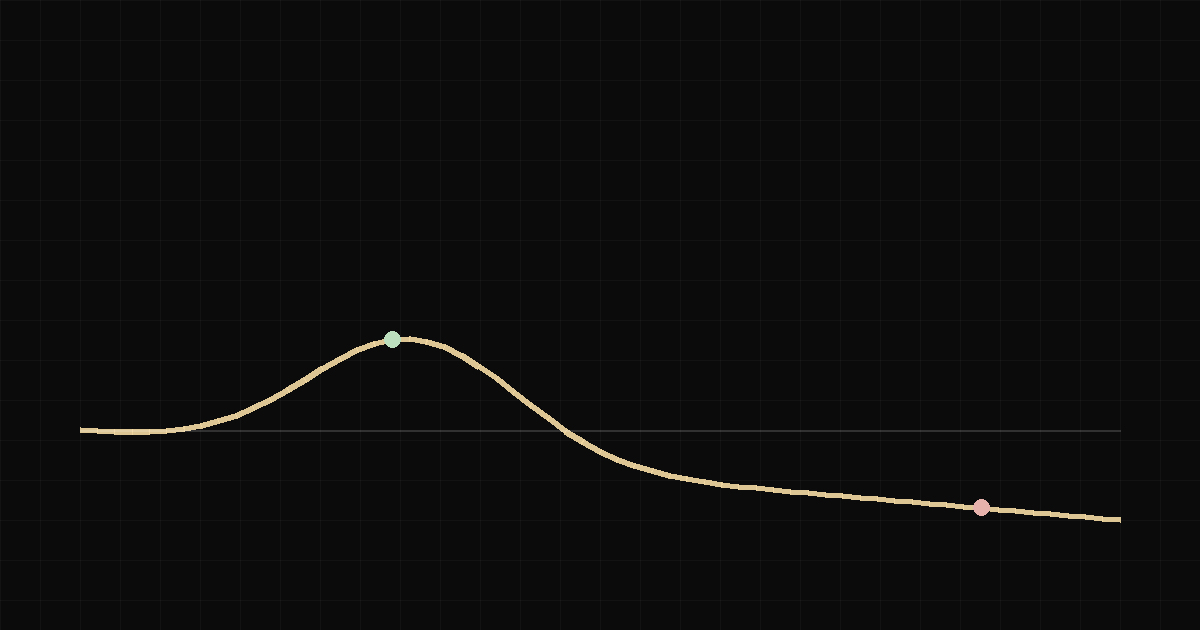
The initiative works, briefly. Idle instances get killed, a discount gets negotiated, someone builds a dashboard, and the line bends. Two quarters later the number is back where it started — sometimes higher — and the conclusion drawn is that cloud costs are simply unavoidable at scale.
They aren't. The savings didn't fail because the effort was insufficient. They failed because nothing structural changed.
Consider the two most common interventions.
A dashboard flags idle instances. Real savings, worth taking. But idle resources are a symptom of provisioning behavior, and the behavior that created them is still running. Turn them off today and the same process generates more next quarter.
Procurement negotiates a discount. Also real, and also temporary in a specific way: a discount changes the rate you pay, not the amount you consume. When consumption keeps compounding, the discount is absorbed and you're back at the table with less leverage.
Neither one touches the architecture, the data model, or the workload design that is actually generating the bill. That's why the savings have a half-life.
The changes that hold tend to be less visible and less immediately satisfying: a workload reshaped so it stops moving data across boundaries it never needed to cross. A service doing a job it was never designed for, replaced with one that fits. A data model that stopped being right two scale-jumps ago. Retention policies nobody has revisited since the company was a third of its current size.
These require someone who can read the architecture the way the people who built it do — which is precisely why cost work delegated purely to finance or procurement plateaus quickly. It isn't a failure of diligence. It's a limit of vantage point.
Even good architectural fixes decay without governance. If no one owns the number after the consultant leaves, entropy resumes on schedule. That's why any credible cost engagement should end with named owners, visible reporting, and a decision cadence — not just a findings document.
The test of a cost engagement isn't what the bill looks like the month after. It's what it looks like four quarters later, when nobody's watching anymore.
Cutting spend without that judgment is how teams end up paying less for the wrong design.
A fixed-scope diagnostic separates the surface waste from the structural drivers — and hands back the plan that makes the savings hold.
See how the Diagnostic works →