
Most “cloud cost problems” aren't cloud problems. They're ownership problems — and no tool has ever fixed one of those.
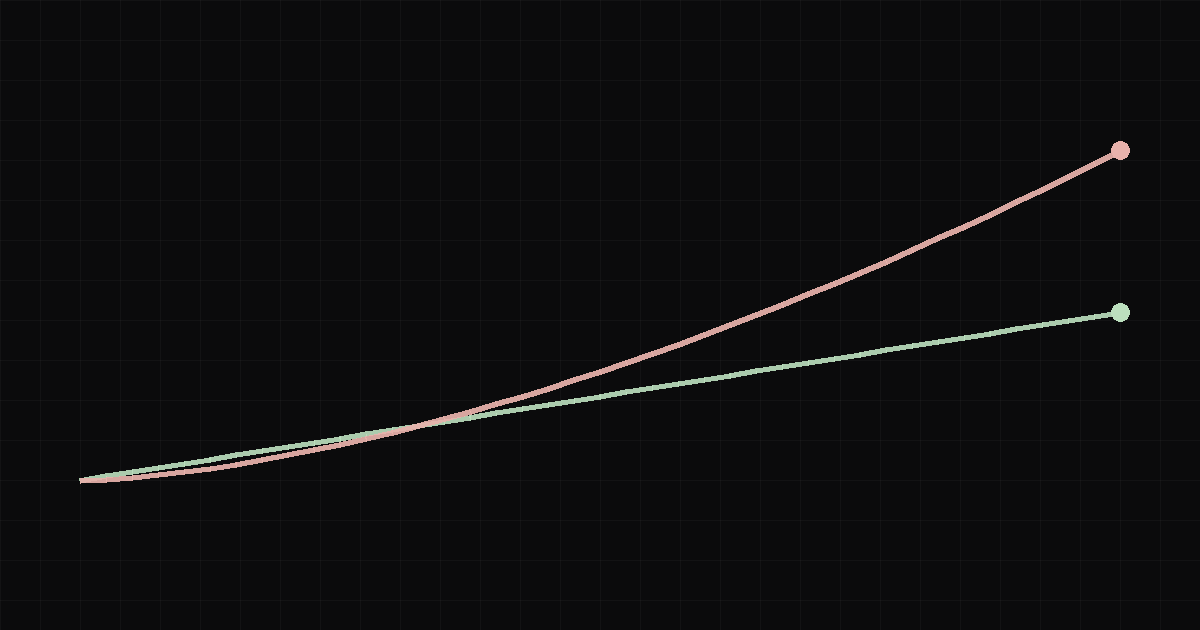
The pattern repeats across almost every organization large enough to have the problem. Engineering optimizes for shipping speed, because that's what engineering is measured on. Finance optimizes for the annual budget, because that's what finance is measured on. And the number in between — what it actually costs to run the thing — belongs to nobody.
So spend grows faster than the business, and everyone is surprised on the same quarterly cadence, every quarter.
The instinct is to buy visibility. Install the dashboard, tag the resources, generate the report. That's not wrong, it's just insufficient — a dashboard with no owner is a very expensive way to watch a number go up.
Cost visibility only changes behavior when someone is accountable for the number and has the authority to act on it. Otherwise the report circulates, everyone agrees it's concerning, and nothing structural changes because changing it would mean slowing something else down that someone is measured on.
Before adding another tool, answer these in writing. Not in a meeting — in writing, with names attached.
Not “the platform team” — a person. Production, staging, data, and each major workload should each resolve to someone who would notice and be expected to respond if that number moved 20% in a month.
Cost per customer, per transaction, per model call, per tenant — pick the one that matches how the business makes money. Total spend going up is not inherently bad; total spend going up while cost per customer also goes up is the actual alarm.
This is the one that exposes theater. If the answer is “we'd discuss it,” there is no governance. There should be a specific forum, a specific cadence, and a specific set of decisions that this number is allowed to trigger — including the decision to say no to something.
Cost ownership means someone gets to say no. That's the part organizations resist, because it's a real transfer of authority — and it's also the entire mechanism. FinOps without the authority to decline work is just reporting with better formatting.
Until those three questions have names attached, a dashboard only tells you how fast you're losing altitude. FinOps isn't a reporting layer. It's an operating decision about who gets to say no.
If cost ownership is unclear in your organization, that's usually the first thing a diagnostic surfaces — before any architectural work starts.
See how the Diagnostic works →